

Haven is an open-source MANET IP Mesh Radio toolkit. Its core mission: enable anyone to build decentralized, long-range, self-healing IP mesh networks using low-cost hardware — no central servers, cellular towers, or paid subscriptions required. Achieve kilometers-wide internet sharing, file transfer, and video calling.
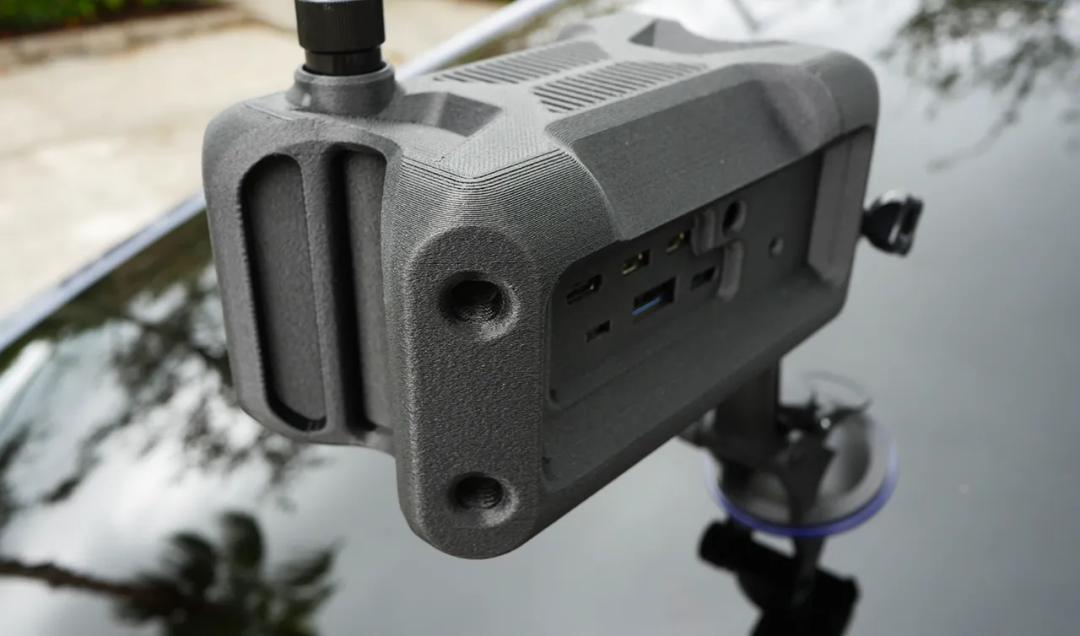
Key Takeaways
- Haven combines Wi-Fi HaLow (802.11ah at sub-1GHz), BATMAN-adv Layer 2 mesh routing, and OpenWrt/802.11s to create decentralized mesh networks with 1–10+ km node spacing
- Fully open-source hardware and software: firmware, scripts, 3D-printable cases — single-node DIY cost ~$450 vs. $20,000+ for commercial MANET radios
- Two hardware versions: Haven 1 (Pi 4 + Morse Micro MM601X, production-ready) and Haven 2 (Pi 5 + MM8108 USB, up to 43.3 Mbps)
- Supports optional integration with Reticulum, ATAK/CivTAK for tactical situational awareness, ADS-B to CoT, and LoRa secondary cards
- Aomway offers FPV video transmission and telemetry systems that complement mesh network infrastructure for UAV and field operations
Project Overview
Haven brings together three key technologies:
- Wi-Fi HaLow (802.11ah): Operates in sub-1 GHz bands (typically 915 MHz), with superior penetration and long range (1–10+ km typical node spacing)
- BATMAN-adv: Layer 2 automatic mesh routing protocol for truly self-healing, multi-hop networks
- OpenWrt + 802.11s: Mature embedded networking system with LuCI web interface management
| Feature | Specification | Real-World Value |
|---|---|---|
| Decentralized | No single point of failure | Disaster, remote, and tactical scenarios |
| Long range | 1–10+ km node spacing | Far beyond standard Wi-Fi |
| Self-healing | BATMAN-adv automatic rerouting | Network auto-recovers on node failure |
| Internet sharing | One gateway serves all nodes | Starlink / home broadband, one-to-many |
| High-bandwidth IP | Supports video, file transfer, large data | Far beyond LoRa/Meshtastic |
| Fully open source | Firmware, scripts, cases all public | Auditable, no vendor lock-in |
| Extensible | LoRa secondary card, RTL-SDR, Reticulum | Multi-protocol fusion |
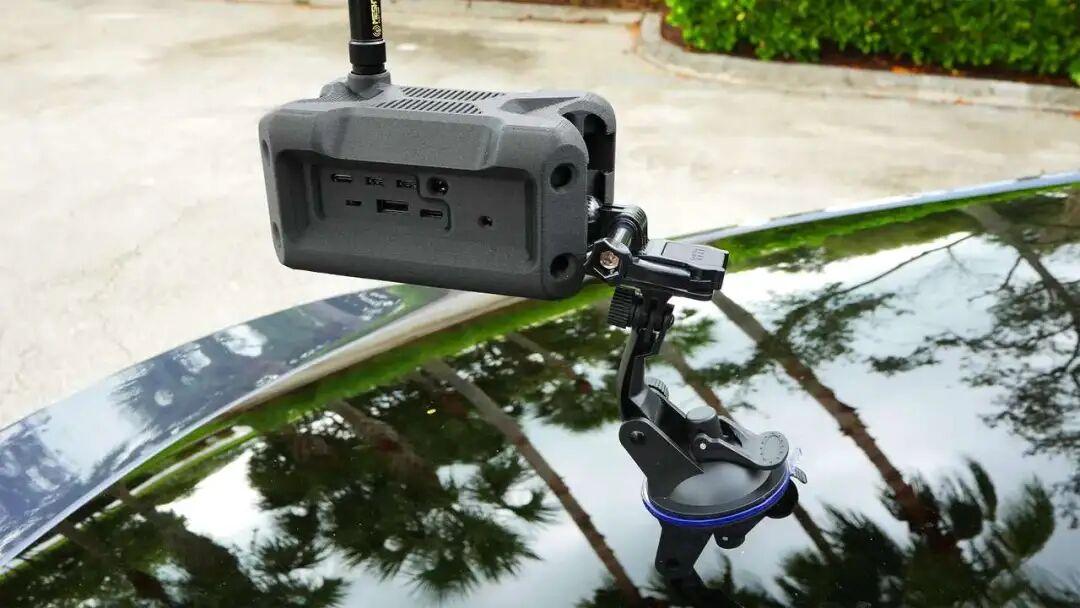
Hardware Platforms (Two Versions, Interoperable)
Haven 1 (Recommended for Production)
- Mainboard: Raspberry Pi 4 Model B or Compute Module 4
- HaLow radio: Morse Micro MM601X SPI HAT
- 2.4 GHz Wi-Fi: RT5370 USB adapter (Panda Wireless, etc.)
- Firmware: OpenMANET (https://openmanet.org/)
Haven 2 (Experimental, Higher Performance)
- Mainboard: Raspberry Pi 5 (4 GB/8 GB)
- HaLow radio: Morse Micro MM8108 USB module (~33% throughput improvement, up to 43.3 Mbps)
- Firmware: Dedicated OpenWrt/Morse Pi 5 image (v0.3.0-alpha released)
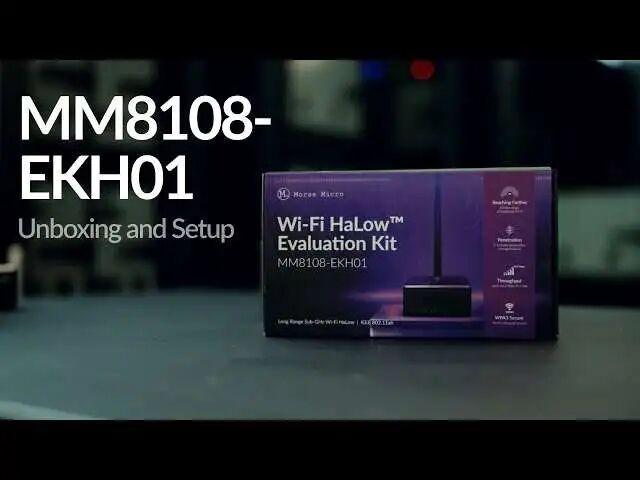
Free 3D-printable case (highly recommended):
- 100% free on Printables, public domain license
- Designed by MorosX, optimized by Parallel
- Features: extreme durability, ventilation slots, GoPro mount, antenna cutouts and expansion ports
- Download: https://www.printables.com/model/1468595-haven-case-for-raspberry-pi-based-manet-by-paralle
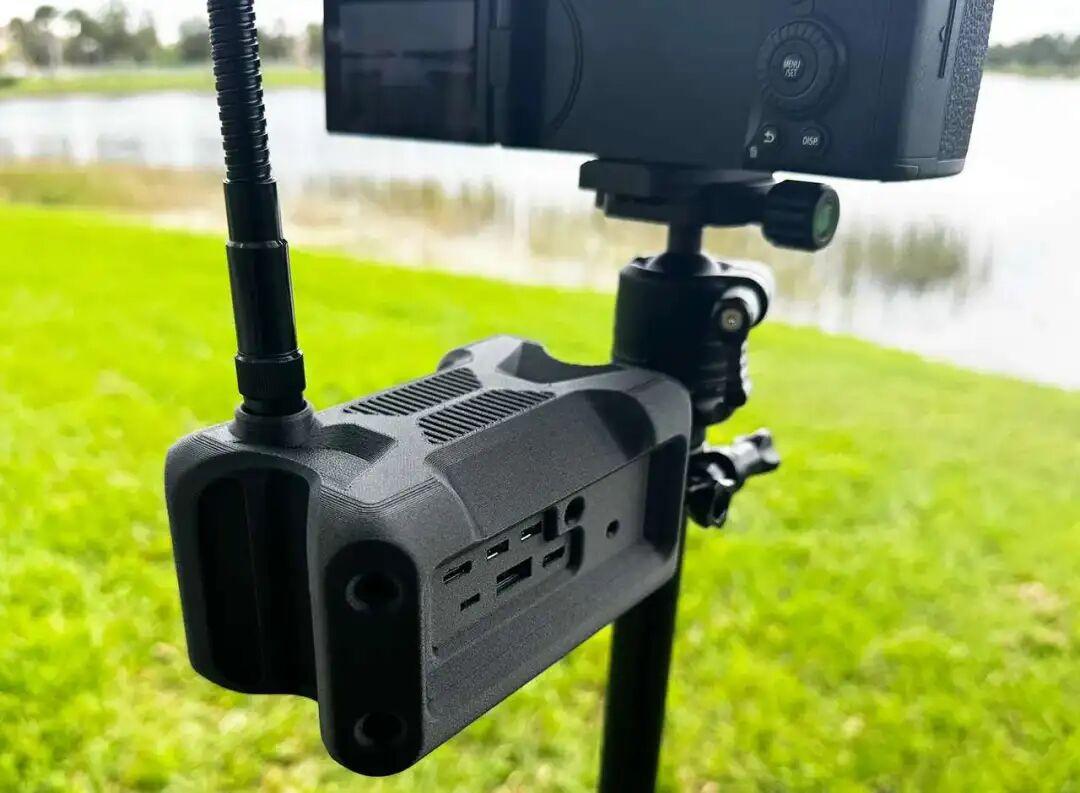
Network Architecture (Gate + Point Dual Role)
The network uses the classic Gate + Point architecture:
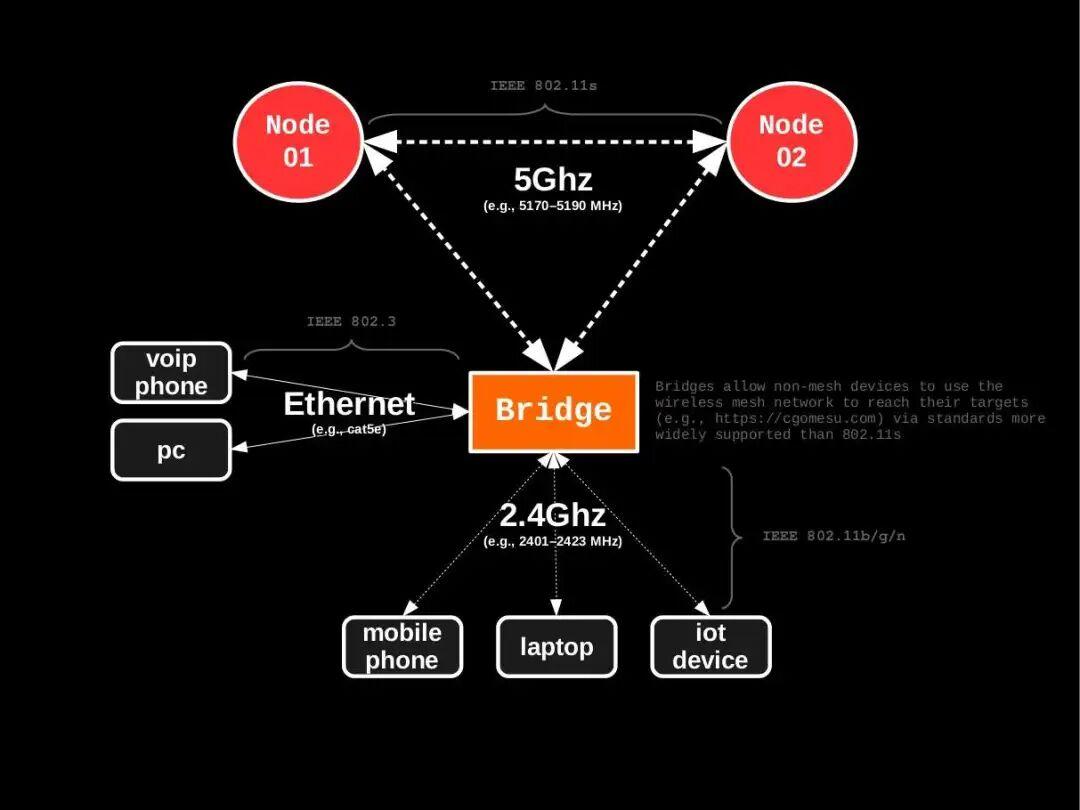
How it works:
- Gate nodes (green): Connect to upstream router/Starlink via Ethernet, serve as the HaLow mesh entry point
- Point nodes (blue): Form the mesh via HaLow with Gate and other Points, auto-multi-hop
- All clients (phones, laptops, ATAK) connect to any node’s 2.4 GHz Wi-Fi, receive a unified 10.41.x.x/16 IP, and share internet access
- BATMAN-adv handles Layer 2 automatic route discovery and self-healing
Typical Mermaid architecture:
Internet → Gate (eth0 + HaLow + WiFi AP)
                ↓ 802.11ah (1-10+ km)
           Point (HaLow + WiFi AP) → Clients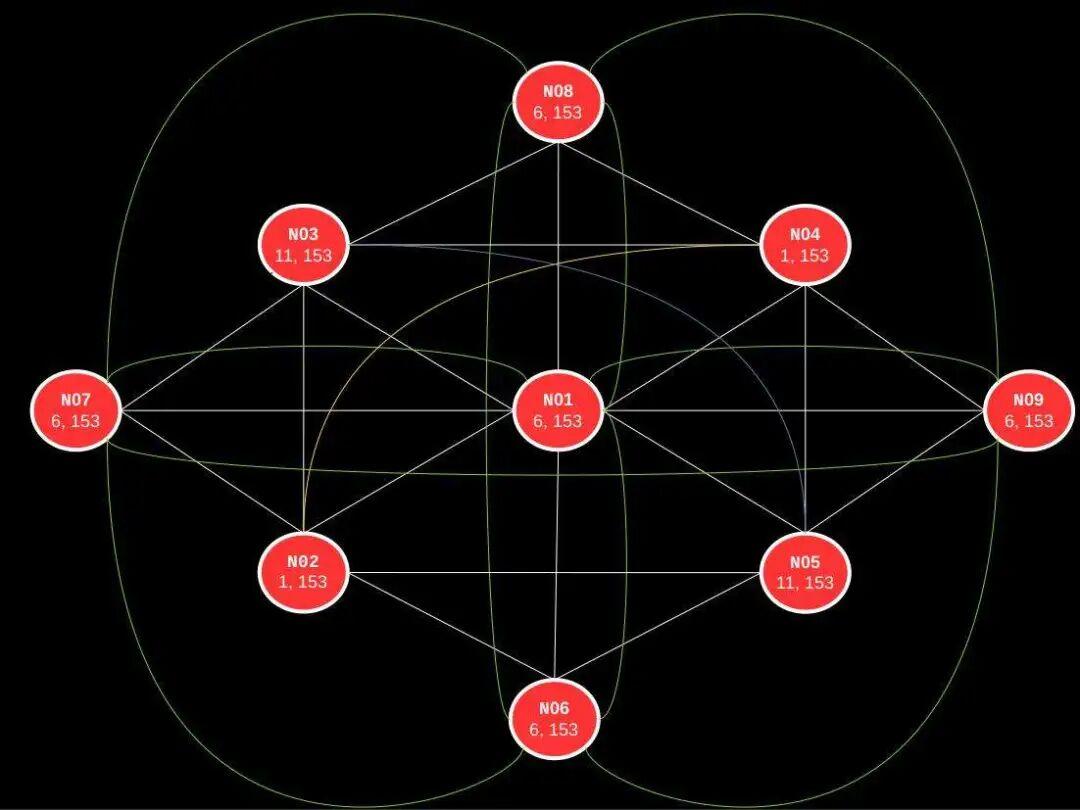
Quick Start Guide
Prerequisite: Flash each node with the correct firmware (OpenMANET for Pi 4, dedicated image for Pi 5).
Step 1: Set Up Gate Node (Green)
- Flash firmware → power on → connect via Ethernet to computer
- Browser at http://10.41.254.1 → set hostname
green, passwordhavengreen - Run wizard, select Mesh Gate + Ethernet upstream
- SSH or LuCI terminal, run the official one-click script:
wget -O /tmp/setup.sh "https://raw.githubusercontent.com/buildwithparallel/haven-manet-ip-mesh-radio/main/scripts/node-setup/setup-haven-gate.sh" && sh /tmp/setup.sh- Node auto-reboots. Connect to
greenWi-Fi (passwordgreengreen) — internet is now available.
Step 2: Add Point Nodes (Blue)
Similar flow — hostname set to blue, run Point-specific script. After reboot, disconnect Ethernet; the node auto-joins the mesh via HaLow.
Optional Integrations
- Reticulum (RNS): Encrypted overlay network supporting Sideband, MeshChat, etc.
- ATAK / CivTAK: Situational awareness mapping (project supports bridging)
- ADS-B to CoT: RTL-SDR receives aircraft signals, pushes to TAK
- LoRa secondary card: Plug in Meshtastic / RNode board for multi-protocol mesh fusion
Typical Applications
- Emergency/disaster communications: Rapidly deploy self-healing networks after earthquakes, floods
- Remote/off-grid communities: Share Starlink across rural areas, farms, islands
- Outdoor/expedition: Hiking, overland convoys, drone swarms
- Tactical/security: Combined with ATAK for low-cost military-grade situational awareness
- Education/research: Learn real MANET, BATMAN-adv, 802.11ah protocol stacks
Cost Comparison
- DIY single-node cost: ~$450 (depends on Pi model, antenna, battery)
- Commercial-grade MANET radio: $20,000+ per unit
- 3D-printed case: free
- All firmware and scripts: fully open source
Important Resources
- GitHub repository: https://github.com/buildwithparallel/haven-manet-ip-mesh-radio
- Detailed build guide (paid digital, with video, BOM, troubleshooting): https://buildwithparallel.com/products/haven
- Free 3D case: Printables link above
- Community: Discord (entry via project page)
Notes:
- RF power and frequency must comply with local regulations. Check authorized bands before deployment.
- Pi 5 version is experimental; production deployments should use Pi 4 + MM601X.
- The project includes an AGENTS.md file for AI-assisted configuration.
If you have any questions about mesh networking or need FPV/data link solutions that integrate with mesh infrastructure for UAV field operations, feel free to contact us at [email protected].
Have questions about this article? Feel free to contact us at [email protected] — we’re happy to help!
Frequently Asked Questions
1. How does Haven compare to Meshtastic or LoRa mesh networks?
Haven operates at IP bandwidth (Mbps) using Wi-Fi HaLow, while Meshtastic/LoRa operate at Kbps. Haven supports video calls, file transfers, and internet sharing. LoRa is better for ultra-low-power sensor data with smaller payloads. They are complementary — Haven can integrate LoRa as a secondary radio for sensor data while using HaLow for primary IP traffic.
2. What is the maximum range between two Haven nodes?
Typical range is 1–10+ km with line of sight, using stock antennas. With high-gain directional antennas, significantly longer ranges are achievable. Actual range depends on antenna selection, path conditions, and local RF regulations on transmit power.
3. Can I use Haven with Starlink for remote internet access?
Yes. This is a primary use case. A single Haven Gate node connected to Starlink can share internet across dozens of mesh nodes spanning multiple kilometers. Each Point node provides local Wi-Fi access for client devices while relaying data through the mesh.
4. Is the Haven project suitable for UAV mesh networking?
With appropriate hardware packaging and power management, the concept applies well to UAV mesh networks for swarm communication. Aomway provides FPV video transmission and telemetry systems that can integrate with mesh networking infrastructure for comprehensive UAV command and control.
5. What regulatory approvals are needed for Wi-Fi HaLow deployment?
Wi-Fi HaLow operates in sub-1 GHz ISM bands (varies by country: 915 MHz in US, 868 MHz in EU, 755–787 MHz in China). Check local spectrum regulations. Unlike cellular or licensed MANET frequencies, HaLow operates in license-exempt bands, but power limits and channel availability vary by jurisdiction.
