

Key Takeaways: Quad RF is an open-source 4×4 MIMO SDR module that turns invisible radio waves into visual images—”electromagnetic X-ray vision” for everyone. Using four coherent antennas to measure signal arrival time differences, it renders real-time RF overlay images at 30fps on your phone or laptop. Three killer applications: see WiFi signal distribution through walls, track drones (including DJI Mini series) via their 5GHz control signals, and AR visualization of the electromagnetic world. The $499 kit is plug-and-play with a preloaded SD card—just connect power and open http://quadrf/ in a browser. Advanced users can push it further with EME (Earth-Moon-Earth) communication, C-band galactic imaging, and phased-array research. This democratization of RF sensing—making military-grade capabilities open-source—mirrors Aomway’s mission of making professional wireless technology accessible to everyone.
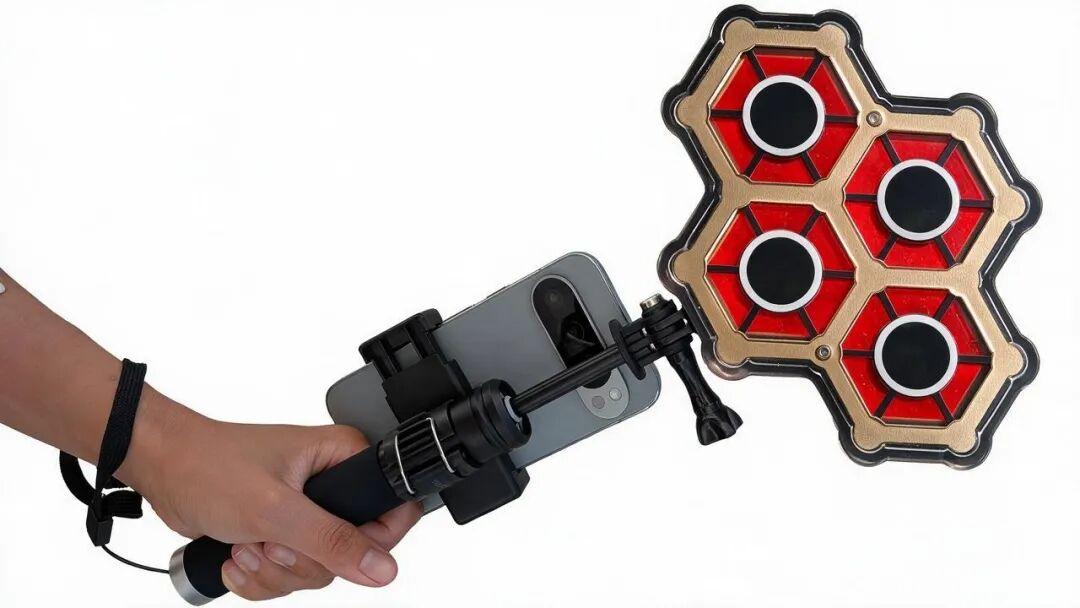
Turn the “radio world”
into
something you can “see”
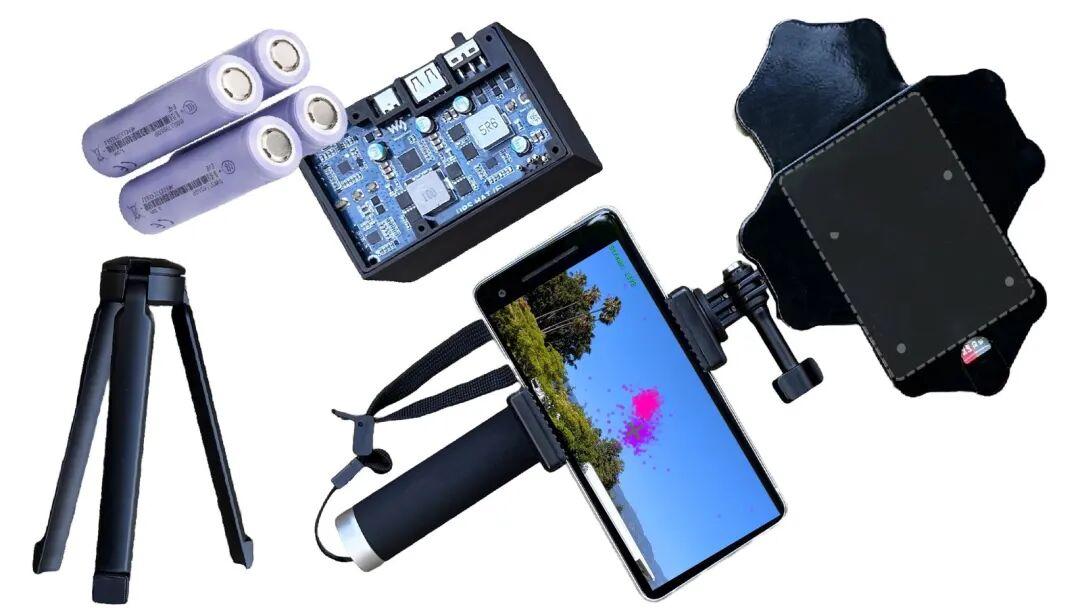
The Privacy Boundary Is Changing
No Network Intrusion, No Cameras—
Just Wireless Signals to Sense Your Surroundings
Quad RF works out of the box—an RF tool for the real world! WiFi signal mapping, through-wall sensing, even drone tracking—bringing capabilities once reserved for the military into the open-source community.
Very Low Technical Barrier
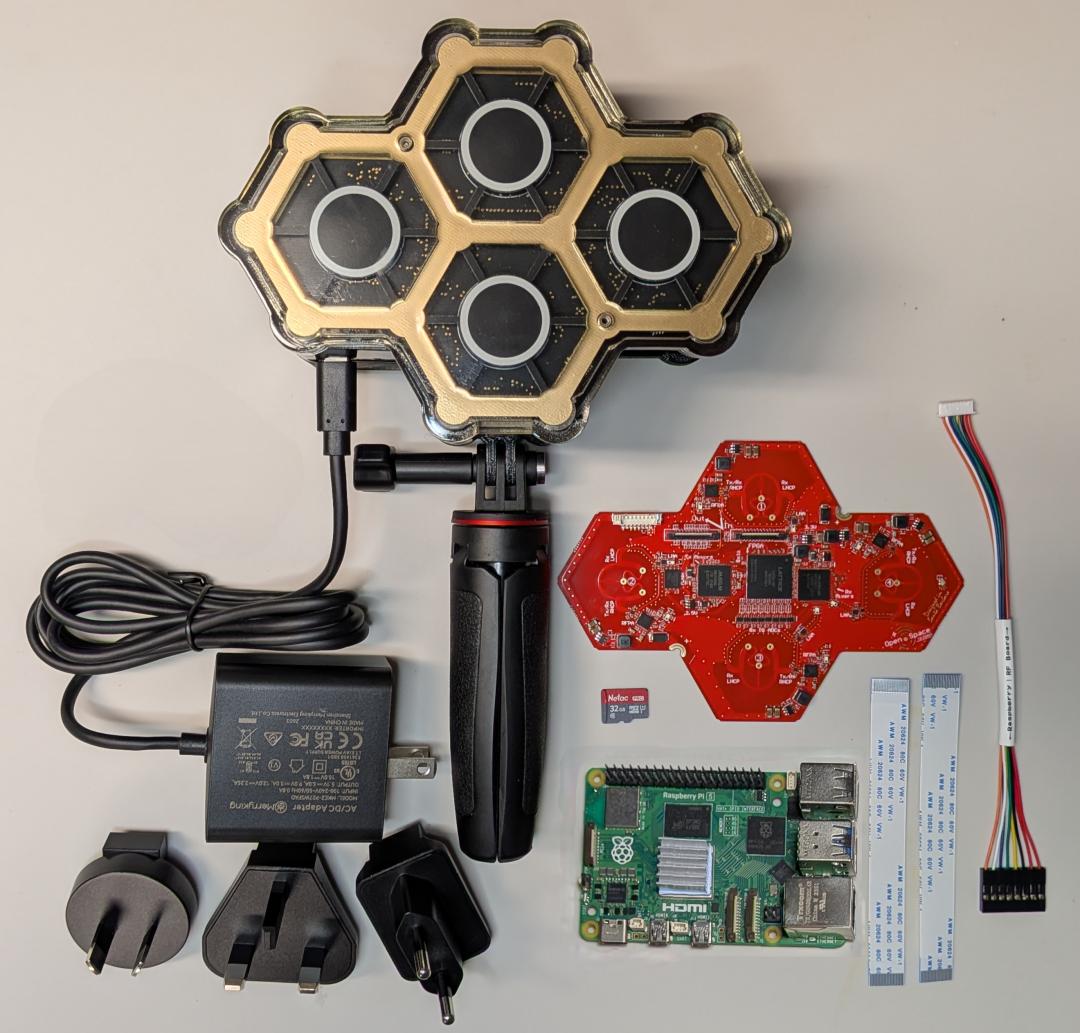
QuadRF Kit
$499, free shipping in the US / $12 worldwide shipping
QuadRF Mobile Expansion Pack
$149, free shipping in the US / $12 worldwide shipping
QuadRF uses four coherent antennas to measure signal arrival time differences, rendering real-time RF overlay images directly on your phone or laptop at 30fps.
Camera interface: transmits radio data at >5Gbps—low latency, low cost.
“Seeing the Electromagnetic World”
1. Visualize radiation: precisely locate the exact physical position of transmitters, hidden wireless cameras, or rogue access points through walls.
2. Observe the environment: watch RF reflections and see shadows or absorption created by people and materials moving through space.
3. Empower robots: give machines a new sensing modality—real-time awareness of the spatial position of surrounding beacons and local RF infrastructure.
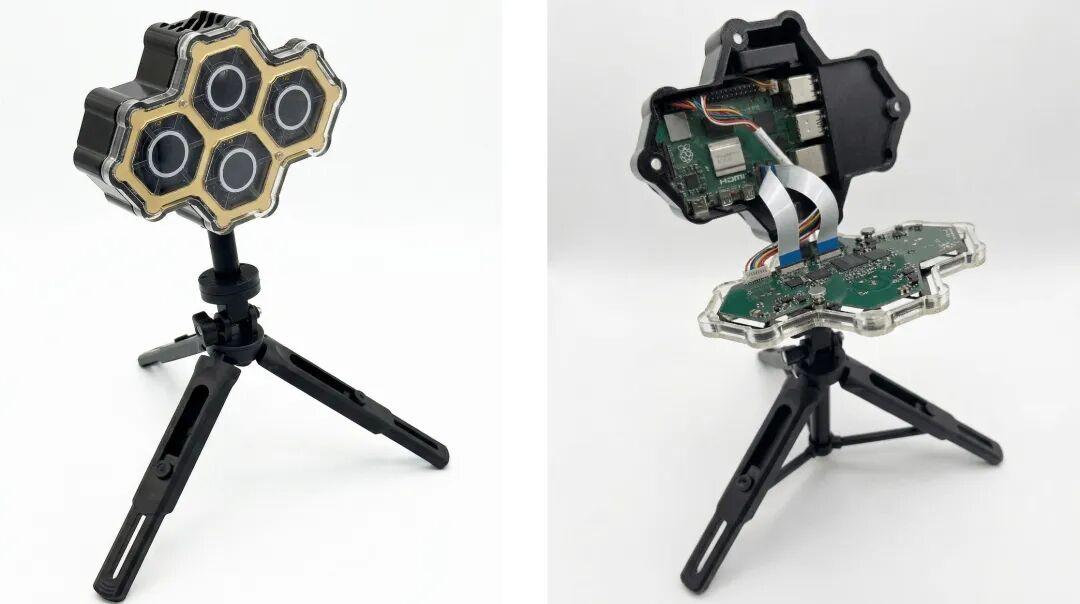
QuadRF—a 4×4 MIMO SDR module expandable into a phased array, designed for spatial RF vision and beamforming.

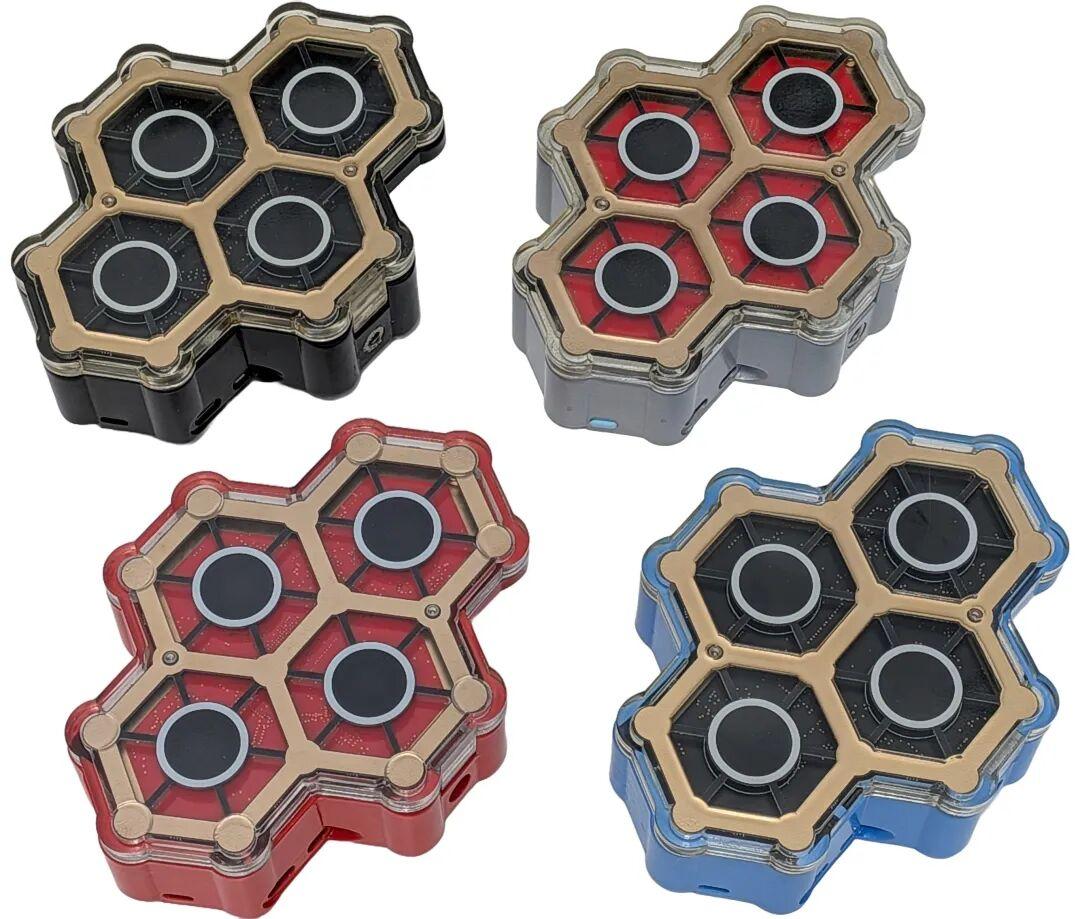
Four color options
Detail showcase
(1) “Seeing” WiFi Signals (Even Through Walls)
- WiFi naturally propagates through walls
- The device captures signal strength and direction → converts to “color images”
- Displayed as “light spots” in AR view

It’s not “wall X-ray”—it’s analyzing how electromagnetic waves distribute in space.
(2) Tracking Drones
- Detects drone wireless control signals (e.g., 5GHz)
- Field-tested: can track DJI Mini series flight positions
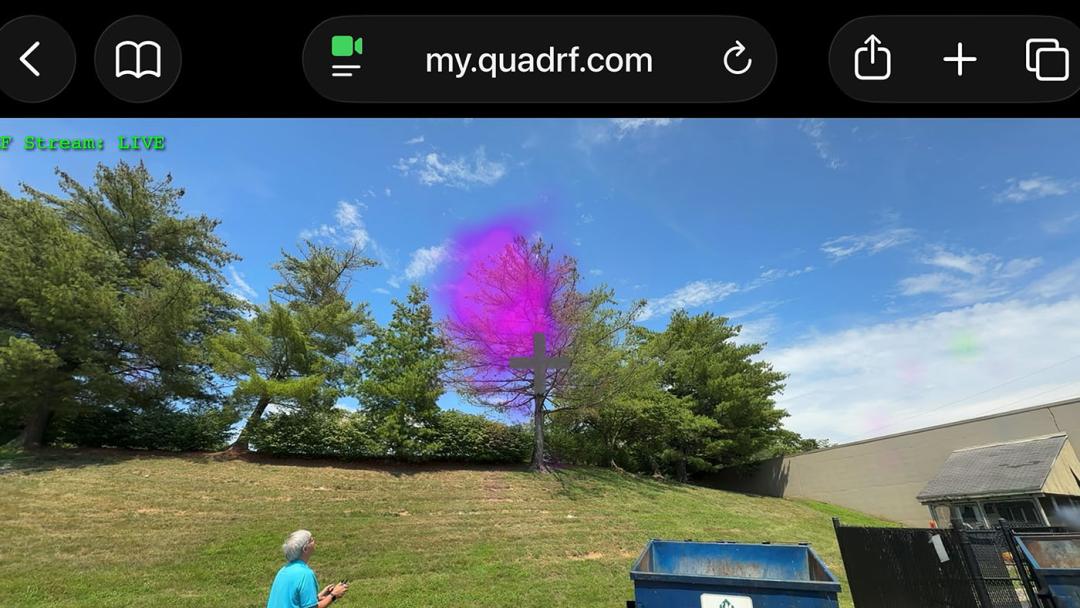
It doesn’t see the drone itself—it “locks onto its radio presence”; visualizes the 4.9-6 GHz frequency range as colored “blobs.”
(3) AR Visualization of the RF World (Coolest Feature)
- Overlay real-world footage with your phone/camera
- Turn WiFi and signal sources into “floating color blobs”
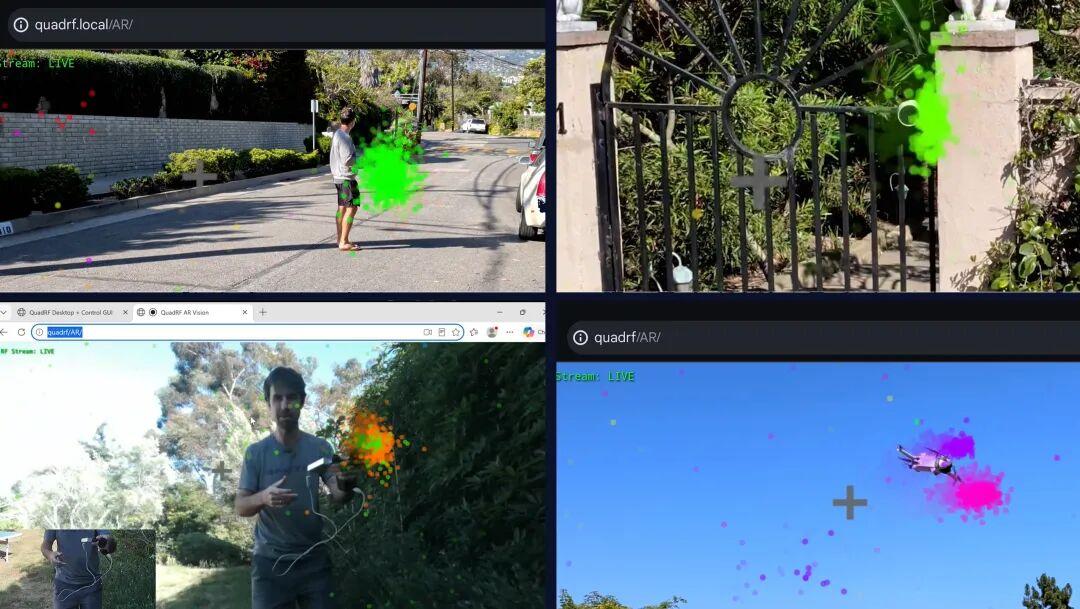
“Real world + electromagnetic world overlaid”
How to Use
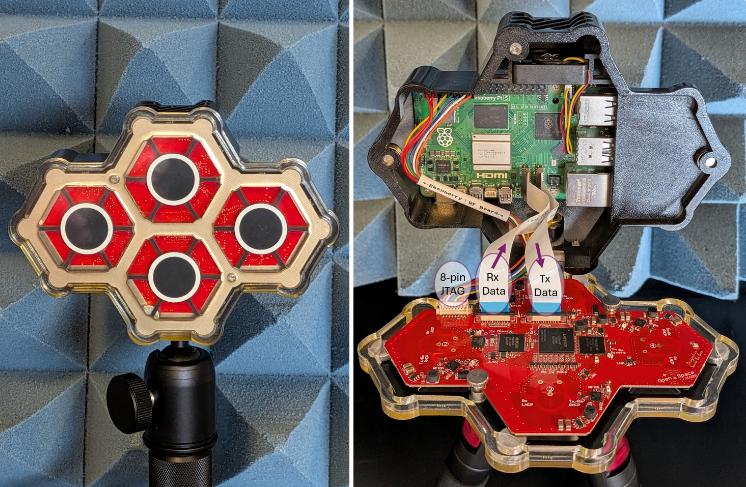
The QuadRF kit provides a complete plug-and-play development platform.
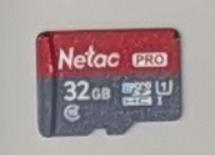
The kit ships with a preloaded SD card: power on → connect Wi-Fi/Ethernet/USB → open http://quadrf/ in your browser and you’re ready.
More Advanced Applications
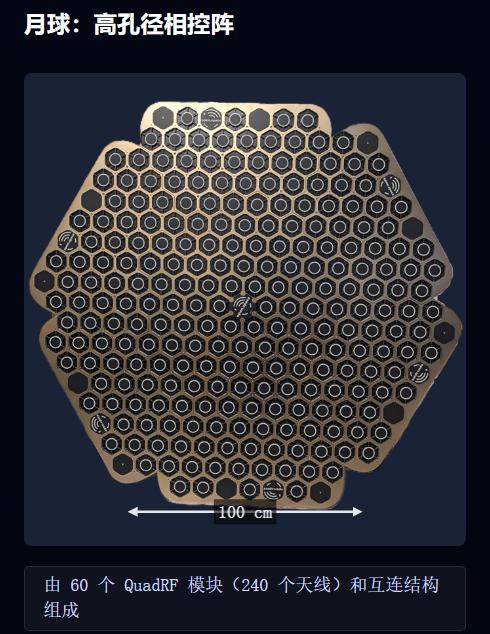
12V DC (peak power ~1.5kW)
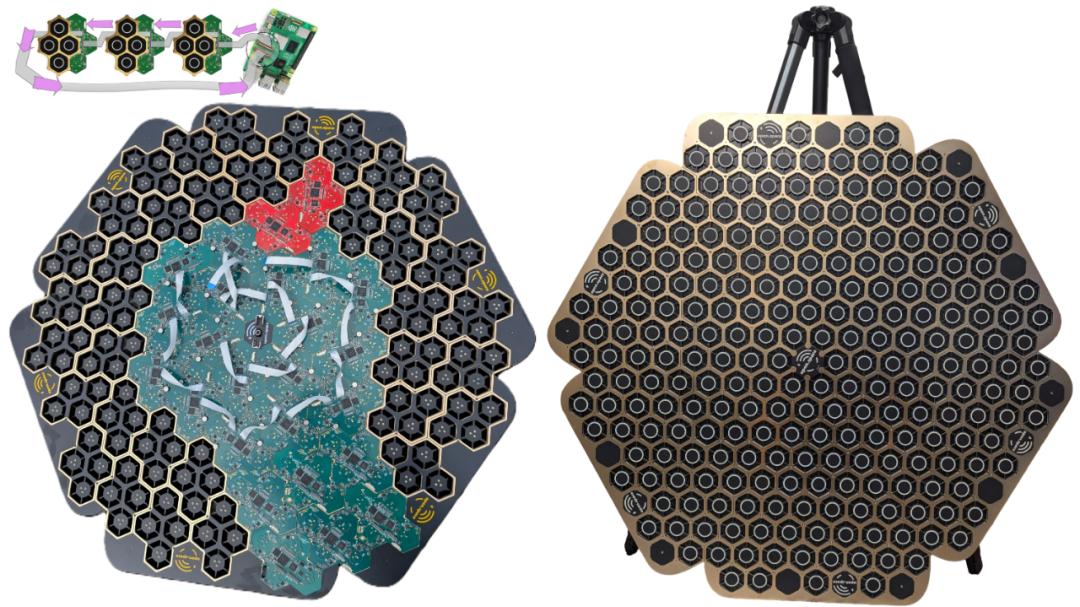
1. EME (Earth-Moon-Earth): transmit and receive echoes, or talk to others
2. C-band galactic imaging: RF sky surveys
3. Atmospheric and ionospheric experiments
4. Advanced phased-array research
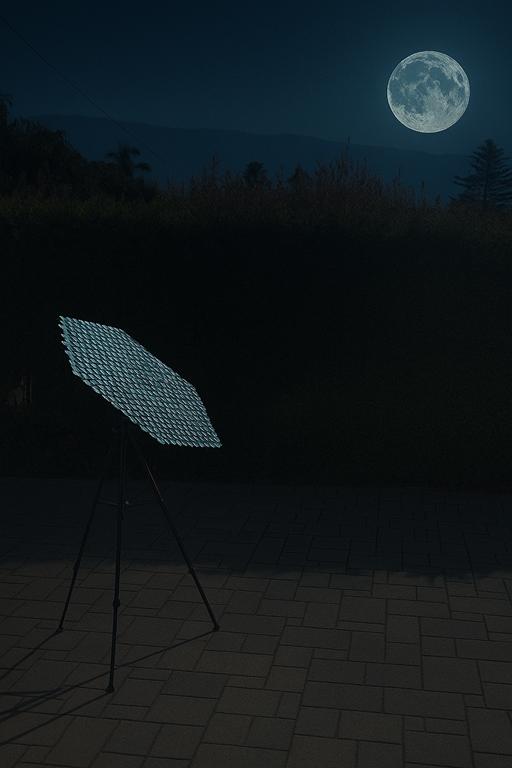
Hearing the echo of your own signal is the most thrilling moment
The signal flies to the Moon in 1.28 seconds → reflected by the lunar surface → returns to Earth in 1.28 seconds
Hearing your own signal bounce back from the Moon after 2.5 seconds—like shouting in a valley and hearing the echo, but this is the space version across 380,000 kilometers.
EME’s path loss is extreme—the round trip exceeds 500,000 miles, and by the time the signal returns it’s so weak it’s nearly drowned in noise.
Clearly decoding your own echo (or via digital modes) proves your transmit power, antenna pointing accuracy, receive sensitivity, noise figure, and synchronization are all up to standard.
Developer:

https://scalerf.com/
https://github.com/open-space-sdr/main
If you have any questions about this topic, feel free to contact us at [email protected]
Have questions about this article? Feel free to contact us at [email protected] — we’re happy to help!
Frequently Asked Questions
Q1: What is QuadRF?
QuadRF is an open-source 4×4 MIMO SDR (Software Defined Radio) module from ScaleRF that turns radio signals into visual images. Using four coherent antennas measuring signal arrival time differences, it renders real-time RF overlay images at 30fps on your phone or laptop—bringing military-grade RF sensing capabilities to the open-source community.
Q2: How much does QuadRF cost?
The QuadRF kit is $499 (free US shipping, $12 worldwide), including a preloaded SD card for plug-and-play operation. The QuadRF Mobile Expansion Pack is $149. Power on, connect Wi-Fi/Ethernet/USB, open http://quadrf/ in a browser, and you’re ready to go.
Q3: What can QuadRF actually see?
Three main applications: (1) visualize WiFi signal distribution and precisely locate transmitters, hidden wireless cameras, or rogue access points through walls; (2) track drones like the DJI Mini series by locking onto their 4.9-6 GHz wireless control signals; (3) AR overlay that shows WiFi and signal sources as floating color blobs on real-world footage.
Q4: Is it really “wall X-ray vision”?
Not exactly—it analyzes how electromagnetic waves distribute in space rather than imaging through walls. WiFi naturally propagates through walls, and the device captures signal strength and direction to build a spatial “picture” of the RF environment, displayed as colored light spots in AR.
Q5: What advanced uses does QuadRF support?
With 12V DC input (peak ~1.5kW), it supports EME (Earth-Moon-Earth) communication—hearing your own signal echo off the Moon after 2.5 seconds across 380,000 km—plus C-band galactic imaging, RF sky surveys, atmospheric/ionospheric experiments, and advanced phased-array research.
