

Key Takeaways: Boeing unveiled the Ultra Low-Cost Seeker (ULCS) at the 2026 Space and Missile Defense Symposium on August 11—an active radar seeker built from commercial off-the-shelf (COTS) components to drastically cut missile seeker costs. Modular open architecture shares one sensor design across interceptors, guided bombs, and cruise missiles. Tested in anechoic chambers, Beechcraft 1900 flights, ground tracking, and rocket launches in summer 2026. Part of a broader defense trend: Lockheed Martin’s Strigo, Northrop Grumman’s Raider Hunter, and Raytheon’s Coyote all pursue the same “affordable mass” direction. The engineering philosophy—turning military-grade luxury into industrial products using automotive mmWave and 5G chip chains—mirrors how Aomway approaches cost-effective, mass-producible FPV technology.
1. Basic Background
Release time and venue: On August 11, 2026, Boeing officially unveiled ULCS at the Space and Missile Defense Symposium in Huntsville, Alabama.
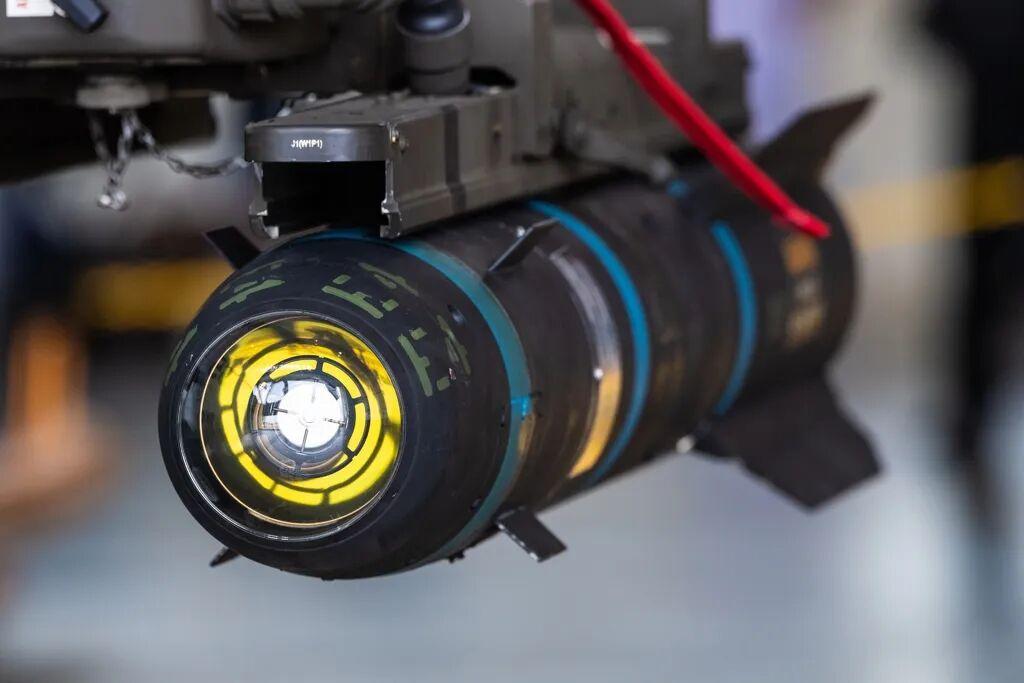
Program positioning: ULCS is an active radar seeker mounted on the nose of missiles or guided bombs, responsible for locking onto targets and guiding weapons to impact. Boeing’s goal is to offer a cheaper radar sensor for both offensive and defensive weapon programs.
Name meaning: Full name Ultra Low-Cost Seeker.
2. Core Technical Features
2.1 Active Radar Design
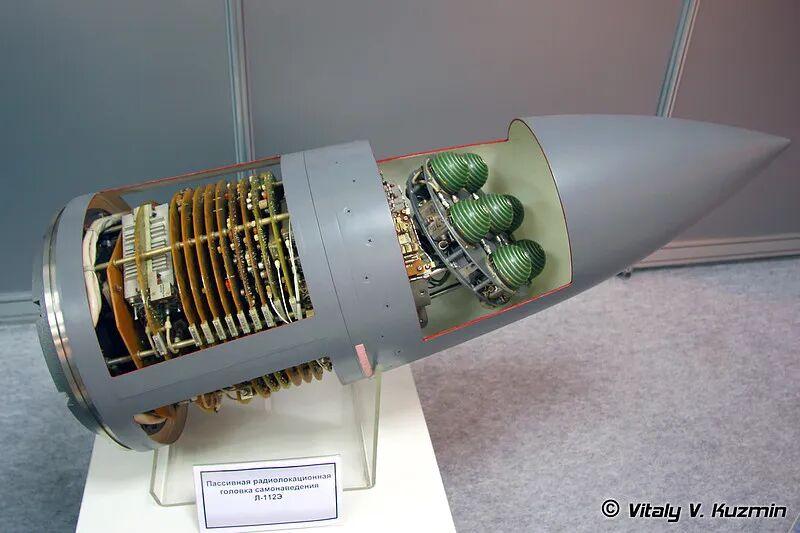
ULCS is an active seeker—it transmits its own radar signals and receives its own echoes, operating independently without relying on aircraft or ground stations to illuminate targets. This design provides all-weather capability, allowing it to engage moving targets at night, in fog, smoke, and electronic jamming environments.
2.2 Military Use of Commercial Parts
ULCS’s core cost-reduction approach: heavily adopt commercial off-the-shelf (COTS) components, modified by Boeing for military use.
Boeing executive Jim Leary explained it bluntly: “If you use a high-end seeker to attack a low-end cheap target, that’s a waste.” ULCS is built for the “affordable mass” market.
2.3 Modular Open Architecture
ULCS uses a Modular Open Systems Architecture with three major advantages:
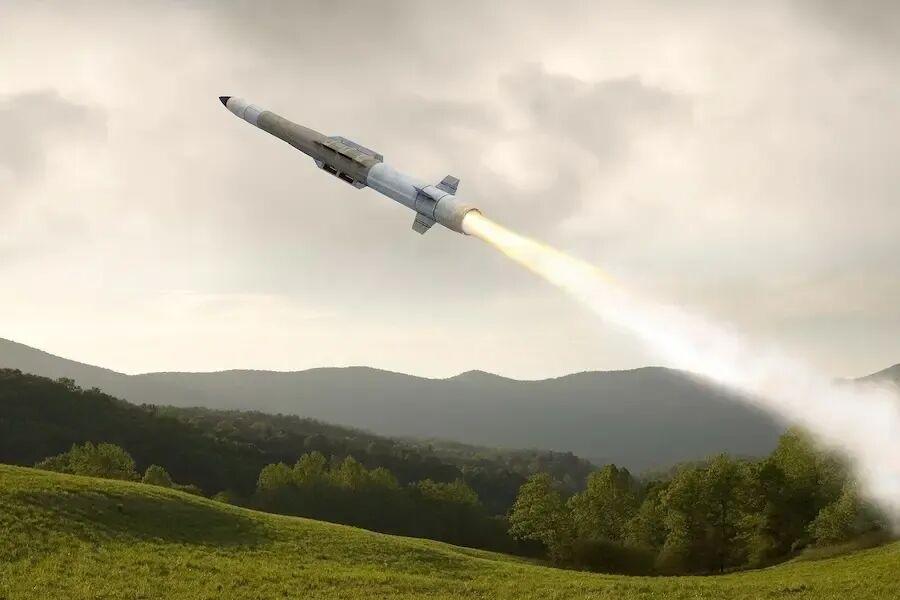
- Commonality: The same seeker architecture works across air-defense interceptors, guided bombs, and cruise missiles—no need to develop a separate seeker for each weapon.
- Manufacturability: Supports large-scale, high-speed production.
- Easy upgrades: The modular design lets Boeing adjust specifications and adapt to different weapons without redesigning.
Bob Ciesla, Boeing’s Vice President of Precision Strike Systems, said: “Our goal in developing ULCS is to share one sensor architecture across multiple programs.”
2.4 Technology Origins
Part of ULCS’s technology comes from the active radar seekers Boeing produces for Lockheed Martin’s PAC-3 MSE interceptor. But ULCS is positioned as an affordable solution for lower-complexity threats, complementing the “exquisite high-end” PAC-3 product.
Boeing executives describe today’s weapons market as “bimodal”: on one side is affordable mass, on the other is exquisite high-end. ULCS clearly belongs to the former.
3. Testing Status
This summer (2026), Boeing completed multiple rounds of testing:
Test 1: Anechoic chamber. Engineers first validated the sensor design in an anechoic chamber, eliminating stray signal reflection interference.
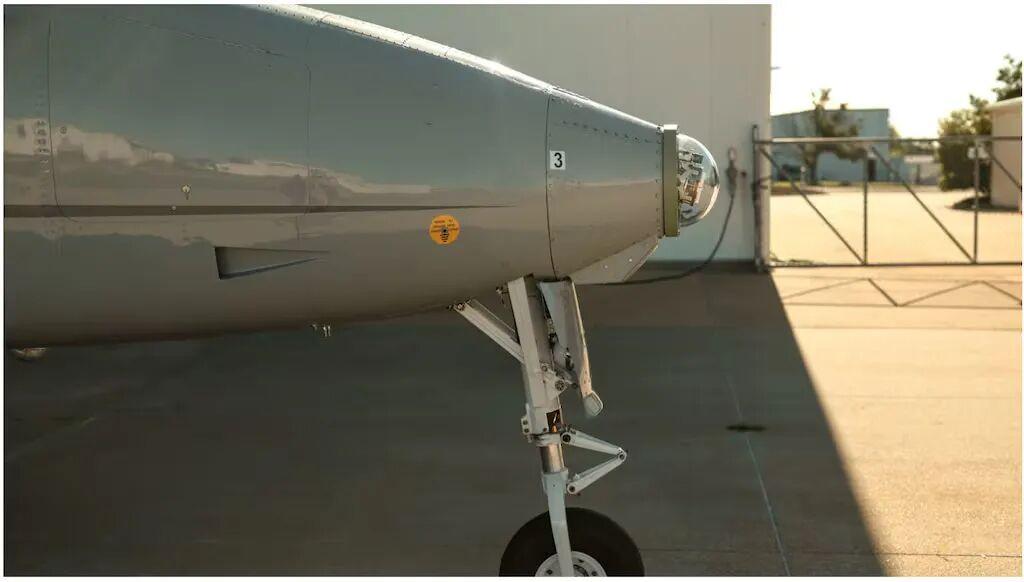
Test 2: Tethered flight. ULCS was carried on a Beechcraft 1900 aircraft for flight tests over land and sea, validating basic target detection and tracking capability.
Test 3: Ground tracking. At Spaceport America in New Mexico, ULCS successfully tracked flying drones from a fixed ground position.
Test 4: Rocket-mounted launch. The most critical test: ULCS was mounted on a rocket simulating a missile, targeting a drone carrying a radar reflector (simulating a full-size target). ULCS survived acceleration and vibration while functioning normally, successfully detecting and tracking the target.
Steve Wright, Boeing’s Senior Manager for Weapon Sensors and Advanced Seekers, said: “We still have a lot of work to do, but the rapid testing completed by the team proves this capability is real and viable, and will fundamentally change how we think about seeker cost-effectiveness.”
4. Strategic Significance and Industry Context
4.1 Why Now?
The background is very real: the US-Iran war exposed inventory pressure on America’s Patriot interceptor missiles. In the past, the US defense industry kept adding advanced seekers and propulsion systems to missiles, driving single-missile prices above $4 million with production cycles lasting years. Meanwhile, adversaries use drones costing a few hundred dollars—this cost asymmetry is unsustainable for the US military.
The US Army’s stance is direct: “Not all targets require the most advanced, most expensive interception systems.”
4.2 The Engineering Difficulty of “Commoditization”
Making a radar seeker “ultra low-cost” is essentially turning a luxury item into an industrial product. Engineering-wise it’s extremely hard: missile-borne seekers must withstand dozens of G’s of overload, operate under vibration, low temperatures, aerodynamic heating, and strong electromagnetic interference, while integrating antenna, transmitter, receiver, signal processor, and power supply into a tiny nose cone space.
Boeing’s path: leverage civilian high-frequency chips and the mmWave industry chain—automotive mmWave radar, 5G mmWave, and industrial radar provide abundant high-frequency chips and antennas replacing expensive military-specific parts. Phased-array antennas are moving from precision machining to printed-circuit-board-level production, dropping costs by orders of magnitude.
4.3 Industry Trends
Boeing isn’t the only one doing this. On August 10, 2026, Lockheed Martin also released the Strigo series of modular RF sensors and missile data-link products, using the same modular concept. Northrop Grumman launched the “Raider Hunter” system, and Raytheon expanded applications of the “Coyote” low-cost anti-drone missile. Modular seeker technology has become a common development trend across the US defense industry.
5. Future Plans
- 2027: Boeing plans multiple flight tests using configurations closer to real combat scenarios.
- The team is currently analyzing test data to guide next-phase development.
6. Pending Information
Boeing has not disclosed:
- Whether ULCS is internally self-funded R&D or attached to an existing weapon program
- The specific price (only “ultra low-cost,” no figure given)
If you have any questions about this topic, feel free to contact us at [email protected]
Have questions about this article? Feel free to contact us at [email protected] — we’re happy to help!
Frequently Asked Questions
Q1: What is Boeing’s ULCS?
ULCS (Ultra Low-Cost Seeker) is an active radar seeker unveiled by Boeing on August 11, 2026 at the Space and Missile Defense Symposium in Huntsville, Alabama. It mounts on the nose of missiles or guided bombs to lock onto and guide weapons to targets, built primarily from commercial off-the-shelf components to dramatically reduce cost.
Q2: How does ULCS achieve low cost?
Three approaches: (1) extensive use of COTS components modified for military use—civilian high-frequency chips from automotive mmWave radar, 5G mmWave, and industrial radar replace expensive military-specific parts; (2) a modular open architecture shared across interceptors, guided bombs, and cruise missiles to spread development costs; (3) phased-array antennas moving from precision machining to PCB-level production, dropping costs by orders of magnitude.
Q3: How has ULCS been tested?
Four test rounds in summer 2026: anechoic chamber validation of sensor design; tethered flight on a Beechcraft 1900 over land and sea; ground tracking of drones from Spaceport America in New Mexico; and a rocket-mounted launch against a radar-reflector-equipped drone simulating a full-size target, surviving acceleration and vibration while detecting and tracking successfully.
Q4: Why is the US defense industry pursuing low-cost seekers now?
The US-Iran war exposed Patriot interceptor inventory pressure—advanced seekers and propulsion pushed single-missile prices above $4 million with multi-year production cycles, while adversaries use drones costing hundreds of dollars. This cost asymmetry forced the shift toward “affordable mass” solutions, now a shared trend across Boeing (ULCS), Lockheed Martin (Strigo), Northrop Grumman (Raider Hunter), and Raytheon (Coyote).
Q5: What makes missile seekers so hard to build cheaply?
Seekers must withstand dozens of G’s of launch overload, operate under vibration, low temperature, aerodynamic heating, and strong EM interference, and fit antenna, transmitter, receiver, signal processor, and power supply into a tiny nose space. Boeing’s strategy is to exploit the mature civilian mmWave/5G chip industry chain rather than military-grade custom components.
